

A Dementia Reminder Clock with Video Calling
Paul ColleyStaying connected with loved ones should feel calm and familiar, not confusing or stressful. For families supporting someone living with dementia, modern communication tools can often create more anxiety than connection.
Smartphones, tablets and generic video calling platforms rely on small buttons, complex menus and unfamiliar interactions that can make communication feel overwhelming.
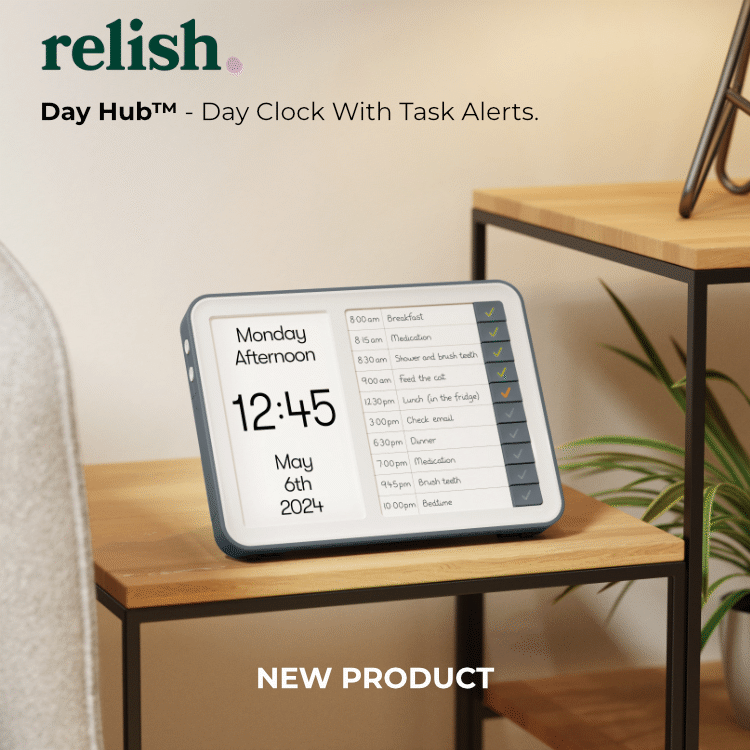
Idem is a dementia reminder clock with built-in video calling, designed specifically for seniors and people living with dementia. By removing unnecessary complexity, Idem helps families maintain regular visual connection in a way that feels safe, familiar and dignified.
What Is a Dementia Reminder Clock with Video Calling?
A dementia reminder clock is designed to support orientation, routine and reassurance for people living with memory challenges. Unlike standard clocks or smart devices, dementia clocks prioritise clarity, consistency and ease of use.
When video calling is integrated thoughtfully, the device becomes more than a clock. It becomes a simple, dementia-friendly communication tool.
Idem combines these functions into one senior clock, helping families support daily routines while staying visually connected, without relying on smartphones or separate devices.

How Video Calling Works on the Idem Dementia Clock
Video calling on idem is designed to feel like a natural part of the reminder clock, not a new or confusing feature.
Caregivers initiate video calls remotely using the idem app. The person at home does not need to dial numbers, open apps or navigate menus.

The incoming call appears directly on the Idem dementia clock screen, with a single, clearly labelled option to accept or decline.

To prevent accidental disruption, touching the “End Call” button triggers a soft confirmation screen rather than ending the call immediately.

Why Idem Makes Video Calling Easier for Seniors and Families
Most video calling platforms are not designed for cognitive change. Fast prompts and unfamiliar layouts can increase confusion for seniors.
Idem reminder clock offers video calling for seniors that prioritises familiar routines, calm visuals and reassurance. Caregivers can also adjust call volume and customize ringtones remotely via the Idem app, creating a consistent and comfortable calling experience.

For many Australian families, idem removes one of the biggest barriers to regular communication with the love ones living with dementia.
How Idem Compares to Traditional Dementia Clocks
| Feature | Traditional Dementia Clock | Idem Dementia Clock |
|---|---|---|
| Time & date orientation | Yes | Yes |
| Visual reminders | Limited | Yes |
| Video calling | No | Yes |
| Remote Scheduling | No | Yes |
| Follow Up Reminders | No | Yes |
| Carer App Confirmations | No | Yes |
Subscription Pricing
Video calling functionality is available now as a free trial until mid January and will then be a part of idem's upcoming premium subscription service, with additional care-focused features planned for release in 2026. Australian Pricing will be:
- $19.95/month
- $119.70/Full Year(50% discount)
About the Author — Paul Colley
Paul Colley is a technology specialist with extensive experience in consumer electronics and accessible product design, including senior roles with global brands such as Sony and Samsung. His work focuses on sourcing the world’s leading low-cost, low-risk assistive technology, supporting independence, safety, and daily living for seniors, NDIS, Support at Home, and My Aged Care participants, as well as their carers.
In 2019, while supporting his mother who was living with dementia, Paul experienced firsthand how many everyday assistive products can unintentionally create confusion rather than reassurance, and isolation rather than connection. Drawing on this lived experience and his professional background, Paul and his wife Catherine founded HOMELife Technology to focus on identifying and sourcing the world's leading easy-to-use assistive technology for all Australians.
Learn more at https://homelifetech.com.au/
